

INTRODUCTION
A technically perfect portrait can still feel completely empty.
Portrait photography is ultimately about people. The camera, lens and lighting are tools that help us communicate something about the person standing in front of us.
Over time, I have learned that some of the strongest portraits happen when the subject stops thinking about the camera. That requires more than technical knowledge. It requires communication, observation and trust.
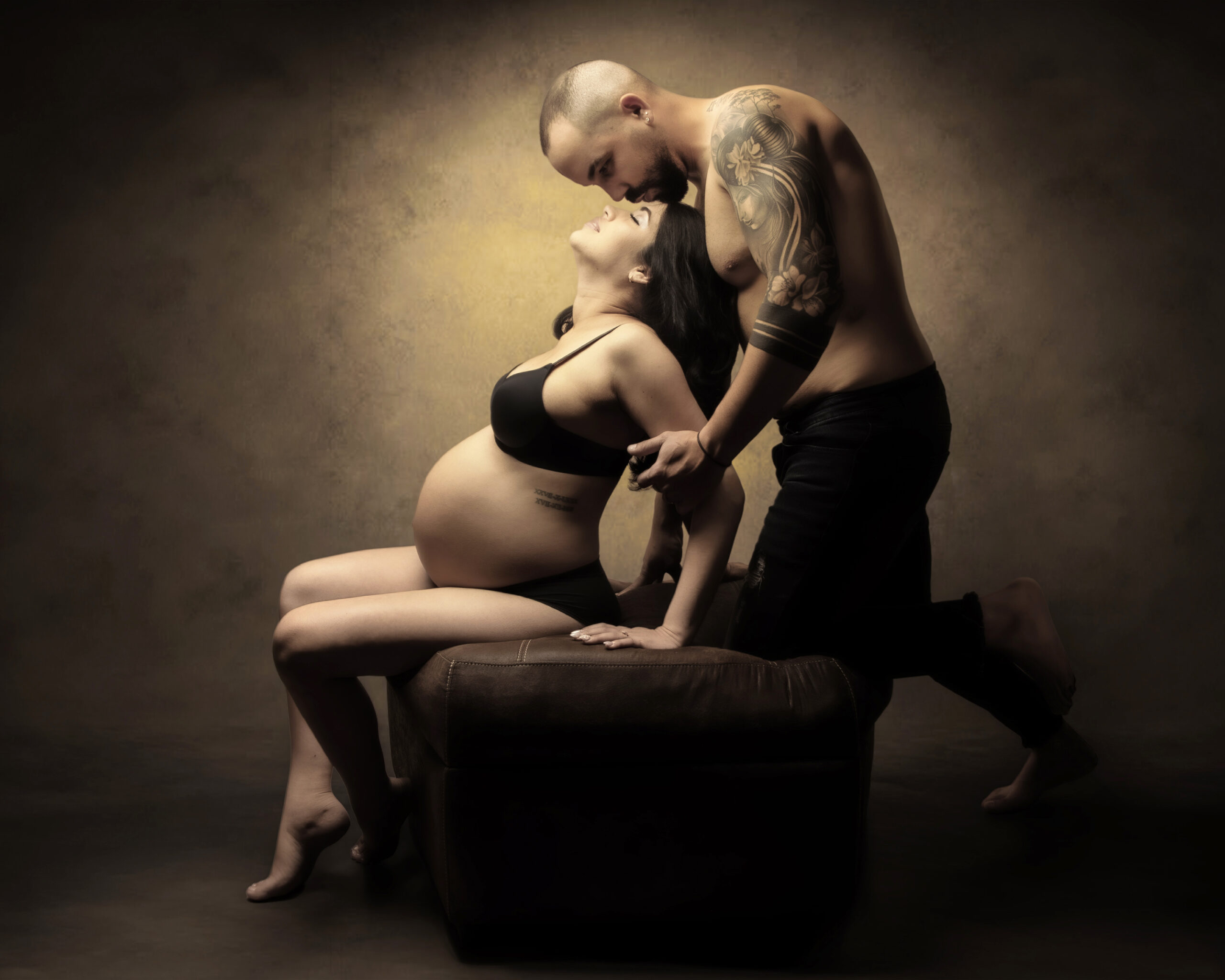
Start With the Person
Before thinking about lighting or posing, take a moment to speak with your subject.
Find out who they are. Make them comfortable. Explain what you are doing.
People behave differently when they feel that they are being observed compared with when they feel that they are being photographed with intention.
Avoid Forced Expressions
One of the easiest ways to make a portrait feel artificial is to constantly tell someone to smile.
Instead, give them something to do.
Ask them to walk, look away, interact with something or simply talk to you.
Sometimes the best expression happens between the moments you planned.
Understanding Light
Lighting can completely change the personality of a portrait.
Soft window light can create gentle transitions and flattering skin tones.
Side lighting can reveal texture and create stronger dimension.
Backlighting can produce separation and atmosphere.
Hard direct light can create dramatic shadows and a more graphic image.
There is no universally correct portrait light. The right choice depends on what you want the photograph to communicate.
IT’S MORE IMPORTANT TO CLICK WITH PEOPLE THAN TO CLICK THE SHUTTER.
— Alfred Eisenstaedt
Choosing the Right Lens
A moderate telephoto lens is often a strong choice for portraits because it provides a natural perspective while allowing you to separate the subject from the background.
Fast lenses can create beautiful background compression and shallow depth of field, but remember that extremely shallow focus can become a problem if both eyes are not on the same focal plane.
Technical perfection should serve the portrait, not dominate it.
Studio Versus Outdoors
Studio photography gives you extraordinary control.
You can shape the light exactly where you want it and create consistent results.
Outdoor photography offers something completely different: environment, natural light and spontaneity.
Neither is inherently better.
They simply provide different visual languages.
The Background Matters
A beautiful subject can be undermined by a distracting background.
Before taking the photograph, scan the entire frame.
Look for bright objects, poles, branches, signs and strong lines emerging behind the subject.
Sometimes moving your camera only a few centimetres can transform the composition.
Let the Subject Be Themselves
The most important portrait technique may be the simplest:
Stop trying to manufacture a personality that is not there.
Your job is not always to make someone look glamorous, serious or dramatic.
Sometimes your job is simply to show them honestly.
CONCLUSION
Portrait photography is a technical discipline, but its success depends heavily on something that cannot be measured with a camera specification: connection.
Learn your lighting. Understand your lenses. Study composition. But never forget that there is a person on the other side of the camera.
When your subject trusts you, the photograph changes.
The camera captures the face. Connection reveals the person.
