
INTRODUCTION
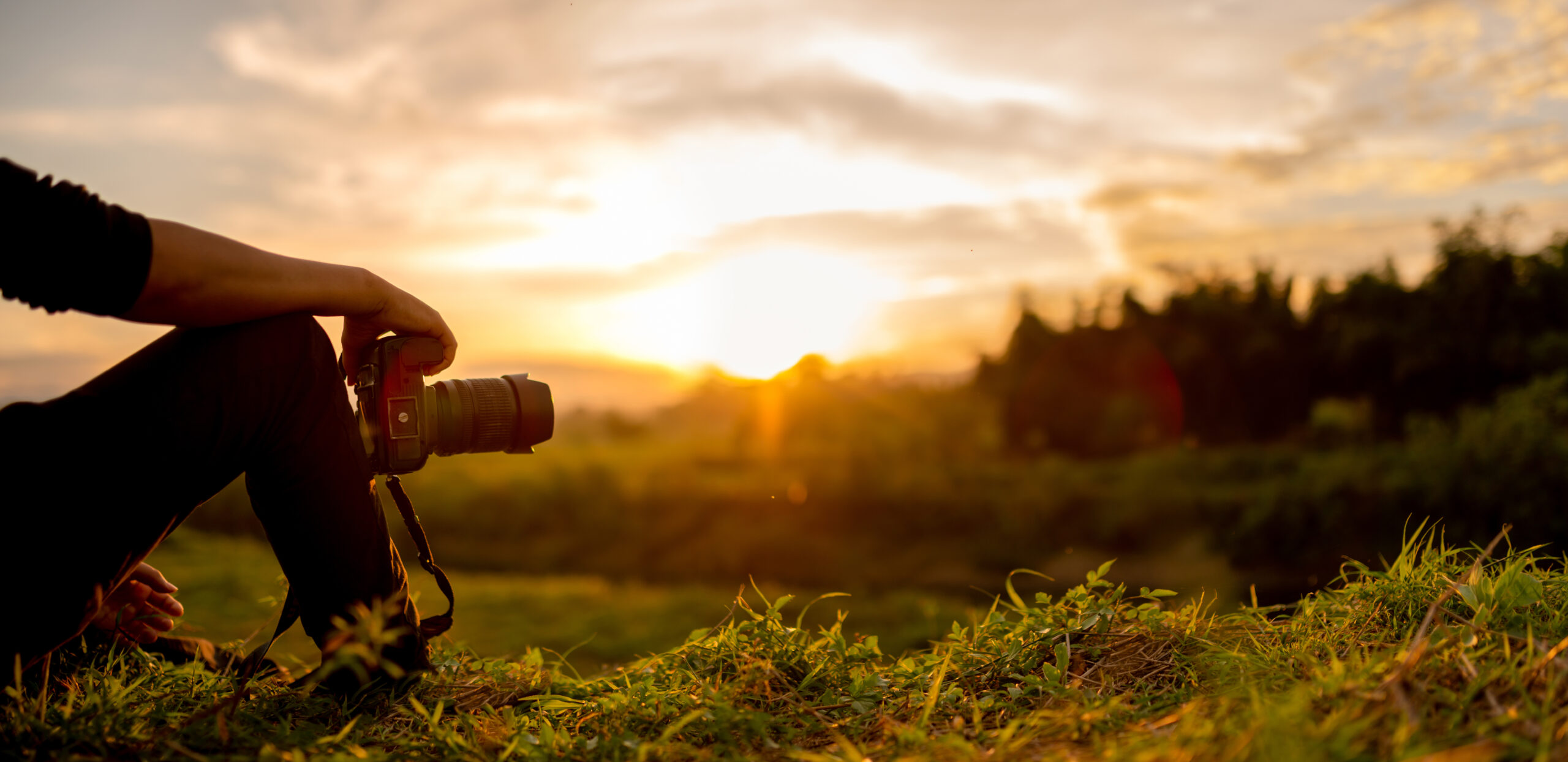
Travel photography is often presented as a collection of beautiful places, but photographing a destination well requires much more than simply arriving at a famous landmark with a camera.
When I travel, I am interested in the relationship between people, place, light and culture. The most memorable photographs are often not the ones everyone else is taking. They can be found in a quiet street, a local market, an unexpected gesture or the way evening light falls across an old building.
Travel photography is an exercise in observation. You have to slow down, look around and be prepared to photograph what happens rather than only what you planned to see.
Photograph the Place, Not Just the Landmark
Every destination has its iconic locations, and there is nothing wrong with photographing them. The challenge is finding your own interpretation.
MY LIFE IS SHAPED BY THE URGENT NEED TO WANDER AND OBSERVE, AND MY CAMERA IS MY PASSPORT.
— Steve McCurry
Instead of photographing a landmark from the same viewpoint as everyone else, walk around it. Look for reflections, silhouettes, foreground elements and unusual perspectives.
Try photographing the same location:
- At sunrise
- During blue hour
- In the middle of the day
- During rain
- After sunset
- From a higher or lower perspective
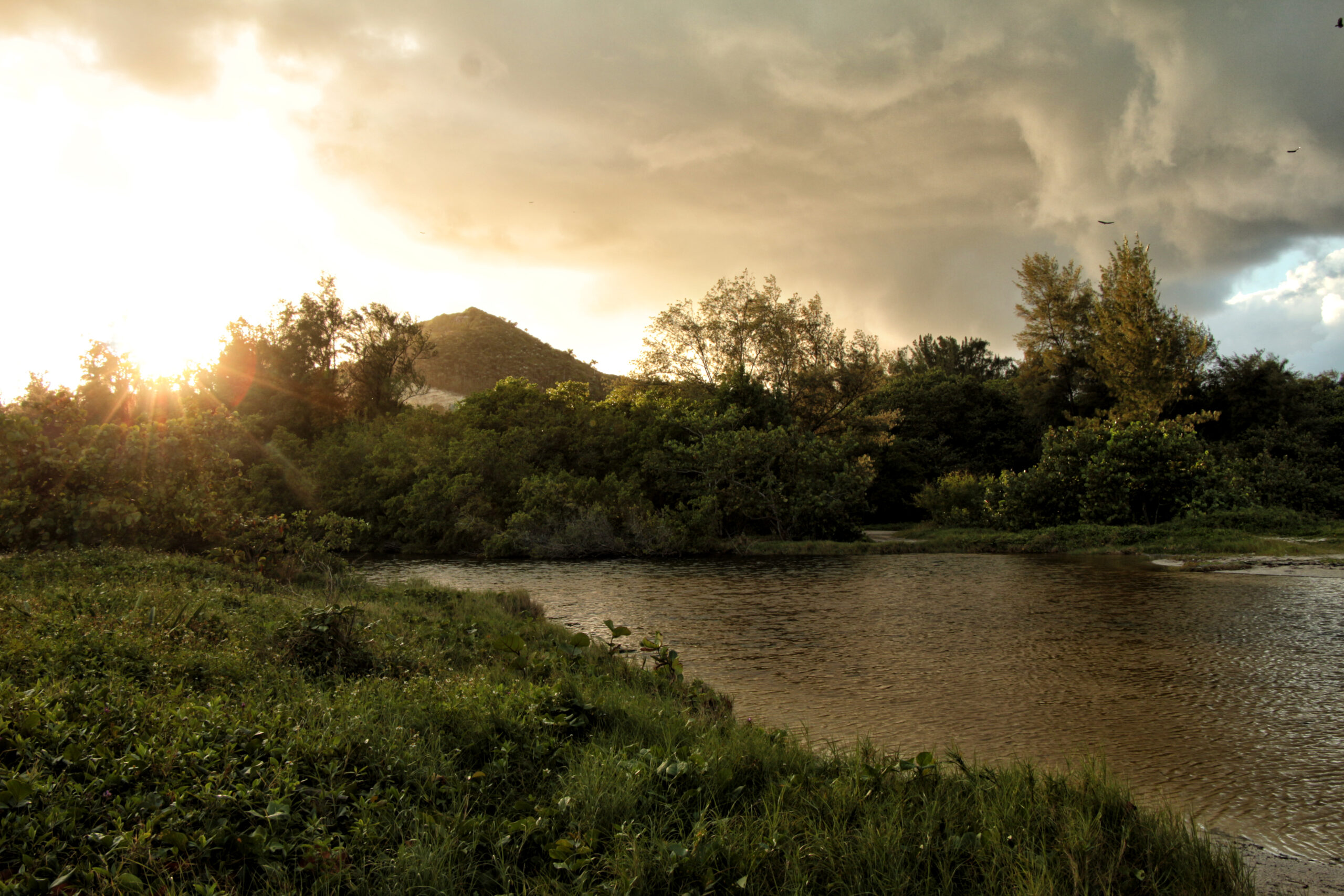
The location remains the same, but the photograph can become completely different.
Get Lost, Carefully
Some of my favourite travel photographs have come from simply walking without a strict photographic objective.
Explore side streets. Visit local markets. Sit in a café. Watch how people interact with their surroundings.
Of course, always respect local customs and personal boundaries. A camera should never become an excuse to intrude into someone's private life.
Photographing People and Culture
People are often the heart of travel photography.
If you want to photograph someone closely, ask permission whenever appropriate. A simple interaction can transform the photograph because it creates trust.
Do not photograph people only as visual elements. Consider the story behind the person, their environment, their expression and their relationship with the place.
Environmental portraits are particularly powerful because they combine the person with their surroundings.
Travel Light
You rarely need every piece of equipment you own.
For many trips, a versatile zoom lens and a fast prime lens can be more useful than carrying an entire collection of lenses.
Think about what you are actually going to photograph before deciding what to pack.
And always carry extra batteries, memory cards and a reliable way of protecting your equipment from weather.
Photographing in Difficult Light
Travel rarely gives you perfect light.
You may arrive at a location at midday with harsh sunlight and deep shadows. Instead of giving up, look for opportunities.
Use architectural shadows. Find shade. Photograph silhouettes. Use reflections. Look for strong geometric patterns.
Bad light can sometimes produce the most interesting photographs because it forces you to think creatively.
Tell a Complete Travel Story
A good travel gallery should contain more than spectacular landscapes.
Try combining:
Wide shots to establish the location.
Medium shots to show activities and environments.
Close ups to capture details, textures and objects.
Portraits to introduce people.
Unexpected moments to give the story personality.
Together, these images create a visual narrative rather than simply a collection of postcards.
CONCLUSION
Travel photography has taught me that the best camera is often the one you are carrying when something unexpected happens.
Go beyond the obvious locations. Talk to people. Walk further. Wait for the light. Look at the details.
Most importantly, allow the destination to surprise you.
You are not travelling simply to photograph places. You are travelling to discover stories.
