
INTRODUCTION
Nature photography demands patience, technical control and a willingness to accept that the subject is completely in charge.
Wildlife does not pose. Light does not wait. Weather changes without warning, and sometimes you can spend hours preparing for a photograph that never happens.
That uncertainty is precisely what makes wildlife photography so rewarding. It forces you to anticipate rather than react, and to understand the behaviour of your subject as much as the technical capabilities of your camera.
Choose the Right Lens
Your choice of lens depends heavily on the subject.
Long telephoto lenses are essential when photographing wildlife from a distance. They allow you to fill the frame without approaching the animal and potentially disturbing its behaviour.
For smaller subjects, a macro lens can reveal details that are invisible from a normal viewing distance.
But do not assume that wildlife always needs extreme focal lengths. Sometimes environmental photographs made with shorter lenses can tell a much stronger story.
YOU HAVE TO PUSH YOURSELF HARDER. YOU’VE GOT TO START LOOKING FOR PICTURES NOBODY ELSE COULD TAKE.
— William Albert Allard
Shutter Speed Is Critical
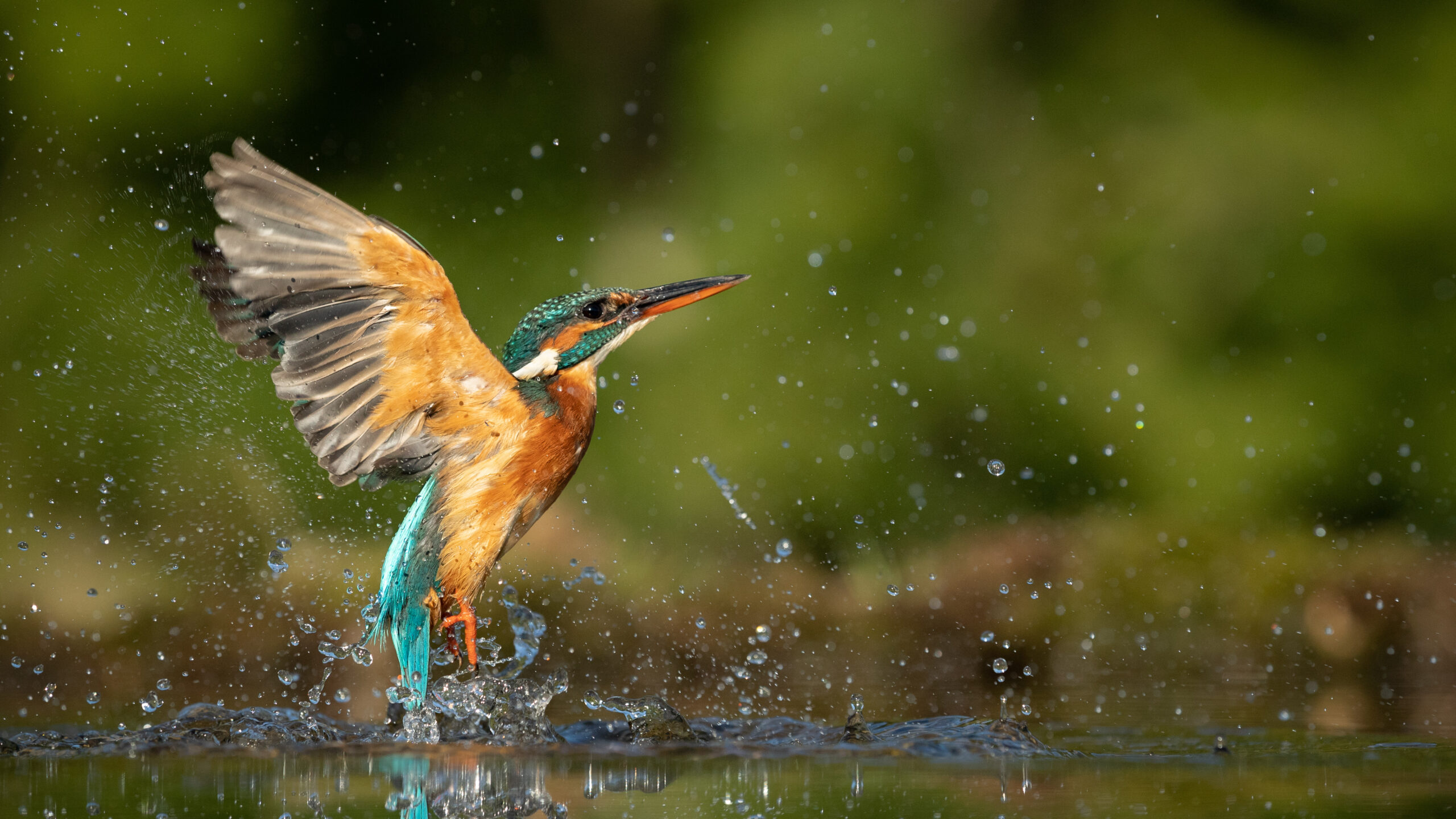
When photographing animals, movement can happen in an instant.
A fast shutter speed such as 1/1000 sec or faster can help freeze rapid movement.
Birds in flight may require even faster settings depending on their speed, direction and available light.
However, freezing everything is not always the goal. A slower shutter speed can deliberately introduce motion and communicate movement.
Understand Your Subject
Technical knowledge is only half the job.
Learn how the animal behaves.
When does it feed? When does it become active? Where does it rest? How does it react to people? What signals does it give before moving?
Understanding behaviour increases your chances of anticipating the decisive moment.
Focus on the Eyes
The eyes often provide the emotional connection in wildlife photography.
Modern cameras with animal and eye detection can be extremely helpful, but you should still understand how the system behaves and when you need to take control yourself.
If the eyes are sharp, the photograph often feels alive.
Respect the Wildlife
No photograph is worth disturbing an animal.
Maintain an appropriate distance, follow local guidelines and avoid changing behaviour simply to obtain a better image.
The responsibility of a wildlife photographer extends beyond making beautiful photographs. We are guests in the environment we are documenting.
Patience Is Part of the Equipment
You can own the most sophisticated camera available and still return without the photograph you wanted.
Sometimes you simply need to wait.
Watch the background. Observe the light. Anticipate movement.
Often the photograph happens only after the photographer has been willing to remain still.
CONCLUSION
Wildlife photography teaches one of photography's most valuable lessons: you cannot control everything.
You can control your exposure, focus, composition and preparation, but the subject will always have the final word.
Learn to anticipate rather than chase. Respect the environment. Be patient.
Sometimes the best photograph comes to the photographer who was simply prepared to wait.
