
INTRODUCTION
A photograph can be beautiful without saying very much.
A strong photograph, however, can make us wonder what happened immediately before the shutter was pressed, what happened afterwards, and who the people in the frame really are.
This is one of the ideas I return to constantly in my own work. Whether I am photographing a wedding, a portrait, a landscape, a journey or an everyday moment, I am not simply looking for attractive compositions. I am looking for something that deserves to be remembered.
Photography becomes storytelling when the image gives the viewer a reason to stop.
Ipsum sit mattis nulla quam nulla. Gravida id gravida ac enim mauris id. Non pellentesque congue eget consectetur turpis. Sapien, dictum molestie sem tempor. Diam elit, orci, tincidunt aenean tempus. Quis velit eget ut tortor tellus. Sed vel, congue felis elit erat nam nibh orci.
IT IS AN ILLUSION THAT PHOTOS ARE MADE WITH THE CAMERA… THEY ARE MADE WITH THE EYE, HEART AND HEAD.
— Henri Cartier-Bresson
Look Beyond the Obvious
When photographing an event, do not concentrate exclusively on the main action.
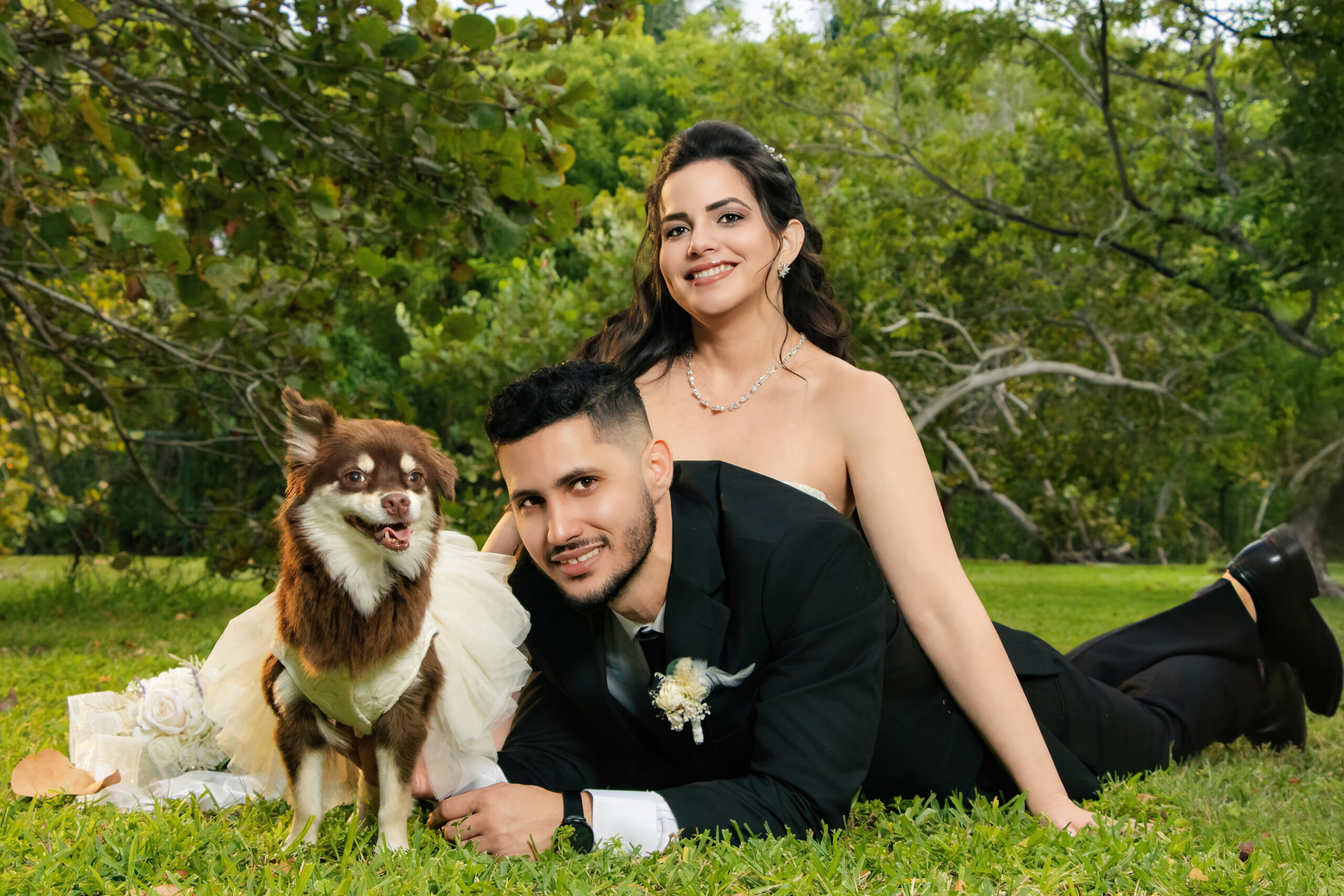
At a wedding, for example, the important photograph might not be the ceremony itself. It could be a parent's expression, someone's hands, a child watching from the side or a quiet moment immediately after the celebration.
These details create emotional depth.
The Decisive Moment
Photography often depends on timing.
The difference between an ordinary photograph and a memorable one can be a fraction of a second.
Watch what is happening rather than simply reacting to it.
Anticipate gestures, expressions and interactions.
Position yourself before the moment happens.
Then wait.
Use the Environment
A story becomes stronger when the surroundings contribute to it.
Architecture can provide context.
Landscape can establish scale.
Light can establish mood.
Objects can provide clues.
People can reveal relationships.
Try to make every element in the frame contribute something.
Build a Sequence
A story rarely needs to be told with one photograph.
If you are documenting an event or journey, think about creating a sequence.
Begin with an establishing photograph.
Move closer.
Introduce the people.
Capture details.
Photograph interactions.
Finish with a quiet or reflective image.
This approach transforms a collection of photographs into a visual narrative.
Photograph the Moments Between Moments
Some of the most interesting photographs happen when nobody is posing.
The preparation before an event.
The conversation after a ceremony.
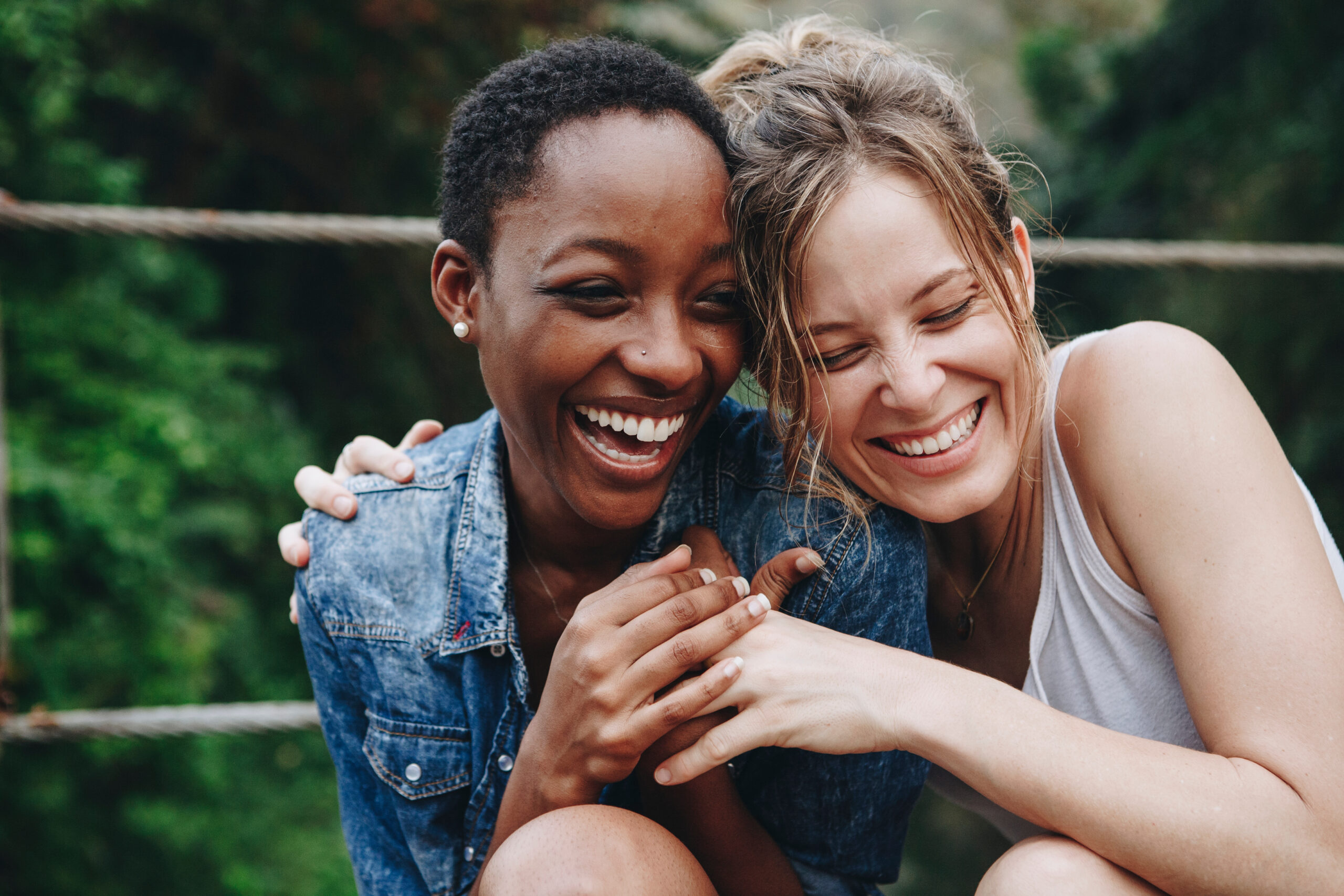
The laughter between photographs.
The moment someone thinks nobody is watching.
These moments often contain more authenticity than a carefully arranged image.
Technical Skill Should Become Invisible
This may sound contradictory, but the more technically competent you become, the less the viewer should notice the technical process.
Exposure should serve the mood.
Focus should guide attention.
Composition should reinforce the story.
Lighting should support the subject.
The technique exists to communicate an idea.
Find Your Own Voice
Perhaps the most important part of becoming a photographer is developing a visual identity.
Study other photographers, but do not simply reproduce what they do.
Experiment.
Make mistakes.
Photograph subjects outside your comfort zone.
Review your work critically.
Over time, you will begin to notice recurring patterns in your own photography: the way you use light, the subjects you return to, the compositions you prefer and the moments that attract your attention.
That is where a photographic voice begins.
CONCLUSION
Photography becomes powerful when the viewer feels there is more to the image than what is immediately visible.
You do not always need extraordinary locations, expensive equipment or dramatic subjects. Sometimes all you need is patience, curiosity and the willingness to pay attention.
Look for the gesture nobody else noticed. Wait for the expression that lasts only a second. Photograph what happens before and after the obvious moment.
Because ultimately, a photograph does not have to explain the whole story. It simply has to make us want to know it.
